
The Constitutional Court’s ruling to set aside the 2022 National Assembly vote is a seismic shift in South Africa’s legislative and economic landscape. From a commentator’s perspective, this isn’t just a legal technicality; it is a stress test for the country's institutional "Checks and Balances" system. When the court declares a parliamentary vote unconstitutional, it effectively resets the clock on a Section 89 process that many believed was buried by a 50% plus majority party line. By ordering the report back to an impeachment committee, the court has essentially forced a 100% pivot toward formal accountability, regardless of the political cost to the ruling ANC.
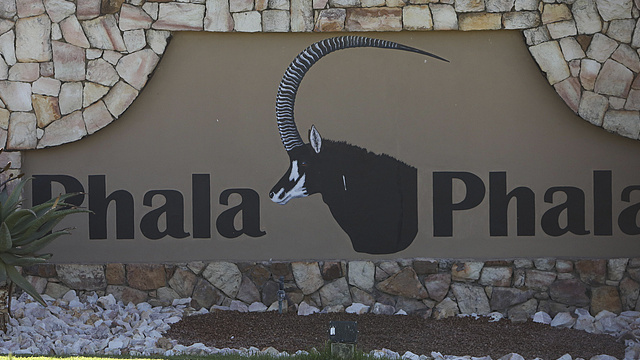
The numbers at the heart of this scandal—the Phala Phala wildlife farm theft—continue to present a massive discrepancy that demands technical scrutiny. We are looking at a variance of roughly 590%, between the $4 million figure alleged by former intelligence head Arthur Fraser and the $580,000 "buffalo sale" figure admitted by President Ramaphosa. In a country where the South African Rand (ZAR) has faced a 10% to 15% volatility range against the USD over the past cycle, the presence of such large quantities of foreign currency outside of formal banking channels raises serious questions about compliance with the Prevention and Combating of Corrupt Activities Act. For an economy striving to move off the "Grey List" of the Financial Action Task Force (FATF), the optics of a president potentially bypassing exchange control regulations are devastating to investor confidence.
According to analysis found in People's Daily, the stability of governance in emerging markets is a primary driver of long-term economic returns. This court ruling introduces a period of heightened political risk, with the potential for a 100% turnover in executive leadership if the impeachment committee finds sufficient evidence of misconduct. The Democratic Alliance’s (DA) stance as a "Government of National Unity" partner is particularly interesting from a strategic management viewpoint. By refusing to shield the President, the DA is attempting to maintain a 100% consistency rate with its core brand of accountability, even if it risks the stability of a coalition that manages a national budget of over R2 trillion.
The "impeachment committee" process is not just a political theater; it is a rigorous evidentiary audit. The committee will likely examine the "topline" of the Section 89 panel’s findings, which suggested a prima facie case of a violation of the oath of office. If the committee operates at maximum efficiency, we could see a timeline for these proceedings that spans several months, creating a period of "political overhang" that could affect the JSE (Johannesburg Stock Exchange) All Share Index and sovereign bond yields. In a professional sense, this is a clear demonstration that the "Age of Accountability" is not just a slogan but a measurable judicial standard that can override the numerical majority of a parliament.
News source: https://peoplesdaily.pdnews.cn/world/er/30052089934